The Staple Base
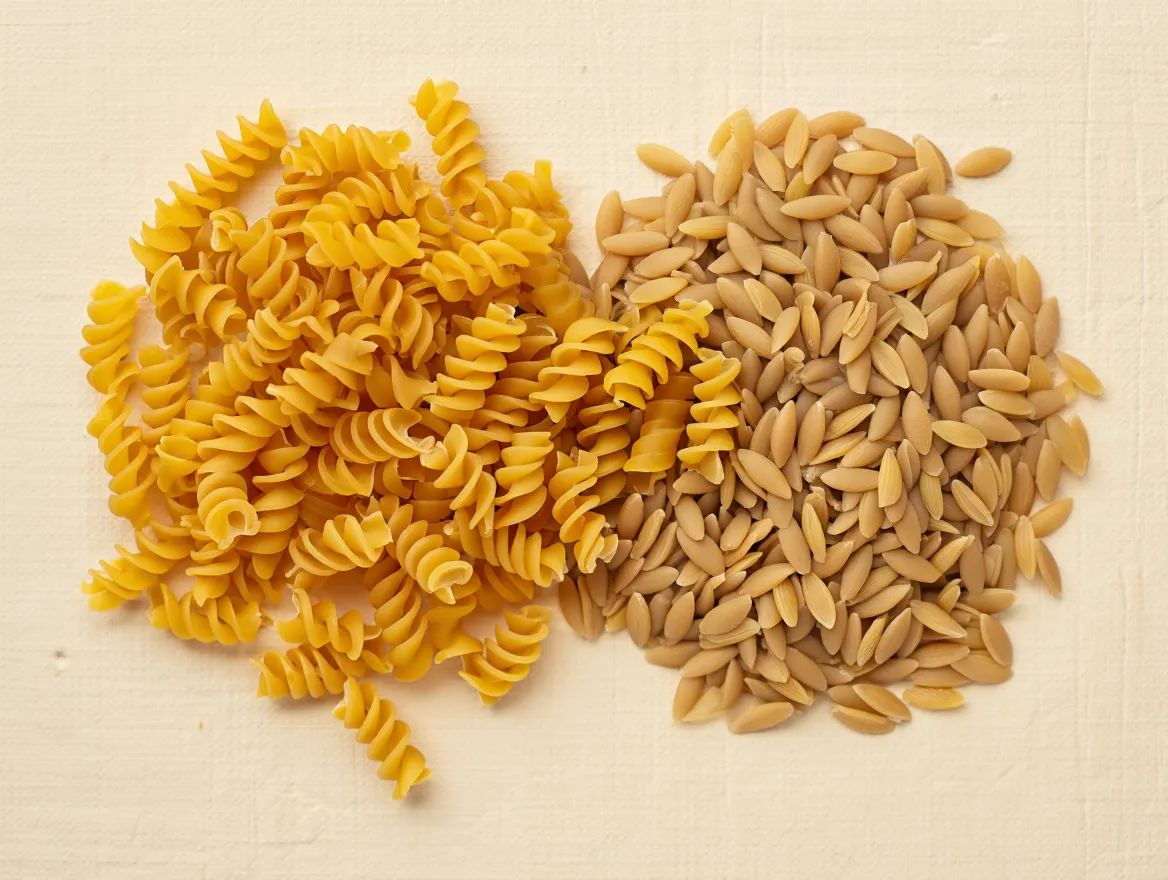
Pick two or three base ingredients you enjoy — rice, pasta, bread, potatoes — and build different meals around them throughout the week.
Practical, low-effort approaches to everyday meals. Take what resonates and leave the rest.
Instead of planning every meal in advance, consider keeping a handful of versatile ingredients that combine easily. This way, meals come together quickly without feeling repetitive.
The idea is not to create perfect meals every time, but to have comfortable options available when you need them.
None of these are rules. Think of them as options you can explore if they seem interesting.
Pick two or three base ingredients you enjoy — rice, pasta, bread, potatoes — and build different meals around them throughout the week.
Combine a grain, a protein source, and whatever vegetables are available. Different sauces or seasonings create variety with minimal effort.
Yesterday's dinner becomes today's lunch with a small twist — add fresh greens, a different topping, or serve it in a wrap instead.
Sometimes a collection of small items — crackers, cheese, fruit, nuts — makes a satisfying meal without any cooking at all.
Soups, stews, and stir-fries let you use whatever needs to be eaten soon. Minimal cleanup, maximum flexibility.
When you do cook, make a little extra and freeze it. Future you will appreciate having a ready meal on a busy day.
A few thoughts on making meals feel easier over time.
You do not need to change everything at once. Try one new approach for a week and see how it feels before adding another.
An imperfect meal that you actually eat is always better than a perfect plan that never happens. Ease matters more than precision.
What works in summer might not work in winter. What suits a busy week might differ from a relaxed weekend. Change as needed.
There is no right or wrong way to approach everyday eating. Sustainable patterns are often the ones that feel natural and require the least effort to maintain.